Canadian Wildfire Smoke
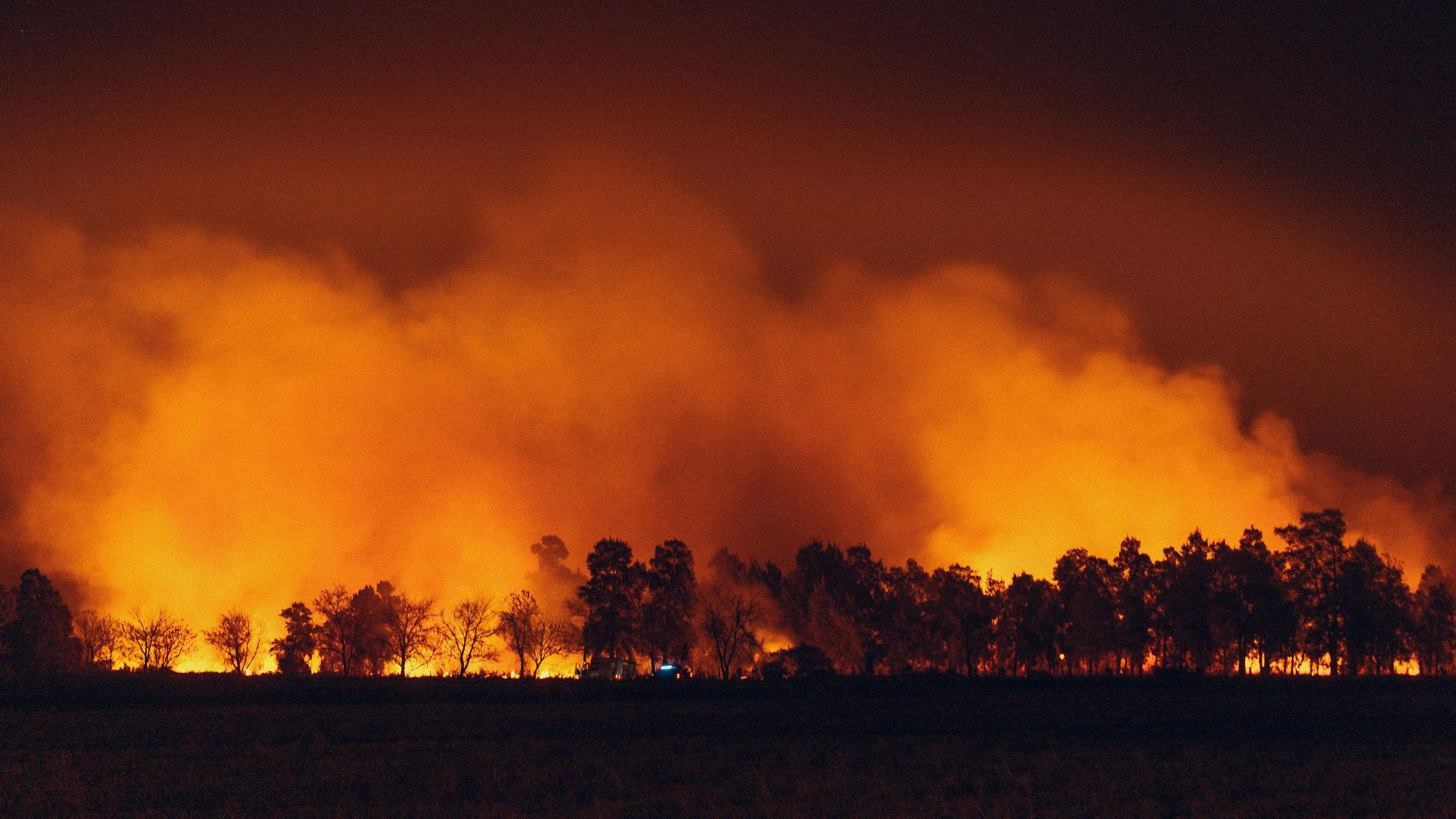
Smoke from Canadian wildfires has traveled hundreds of miles and is affecting air quality throughout Holland and West Michigan. Wildfire smoke can affect anyone, but it is especially important to take precautions if you have asthma, COPD, heart disease, are pregnant, are an older adult, or have young children.
Check the Air Quality Index
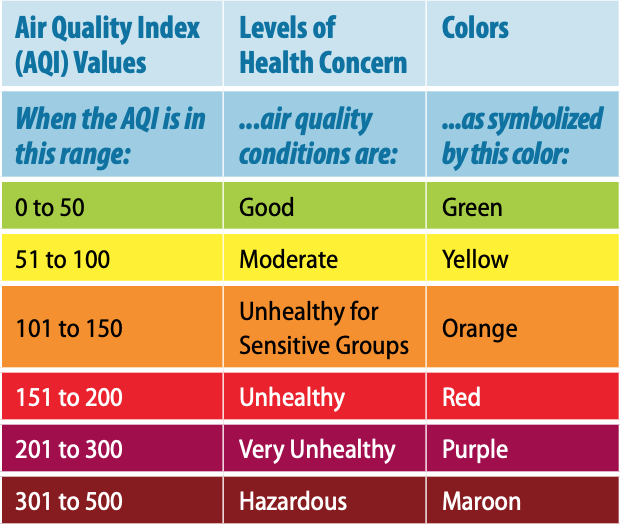
The Air Quality Index, or AQI, tells you how healthy the outdoor air is. Conditions can change throughout the day, so check the current AQI before exercising, working, or allowing children to play outside.
Check the air quality here:
AirNow Fire and Smoke Map

Live satellite imagery from NOAA/National Weather Service
Reduce Your Smoke Exposure
When air quality is poor:
Keep windows and exterior doors closed.
Run your air conditioner or HVAC system on recirculate when possible.
Use a portable HEPA air purifier, especially in bedrooms and the rooms where your family spends the most time.
Replace HVAC filters as recommended. If your system supports it, consider a MERV-13 or higher filter.
Avoid adding pollution indoors by smoking, burning candles, using a fireplace, or frying and broiling food.
Postpone mowing, running, sports, and other strenuous outdoor activities.
Exercise indoors in a space with filtered air.
In your vehicle, keep the windows closed and set the ventilation system to recirculate.
If you must spend time outdoors, a properly fitted NIOSH-approved N95 respirator can reduce exposure to smoke particles. Cloth and surgical masks do not provide the same protection.
Here some Amazon links to some air purifiers for your home:
Small space $85
Medium space $110
Larger space $235
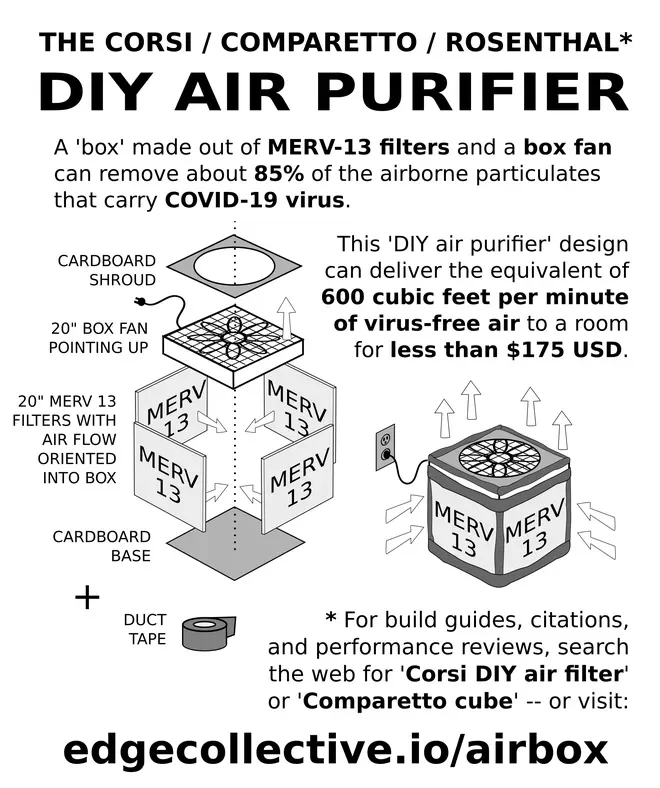
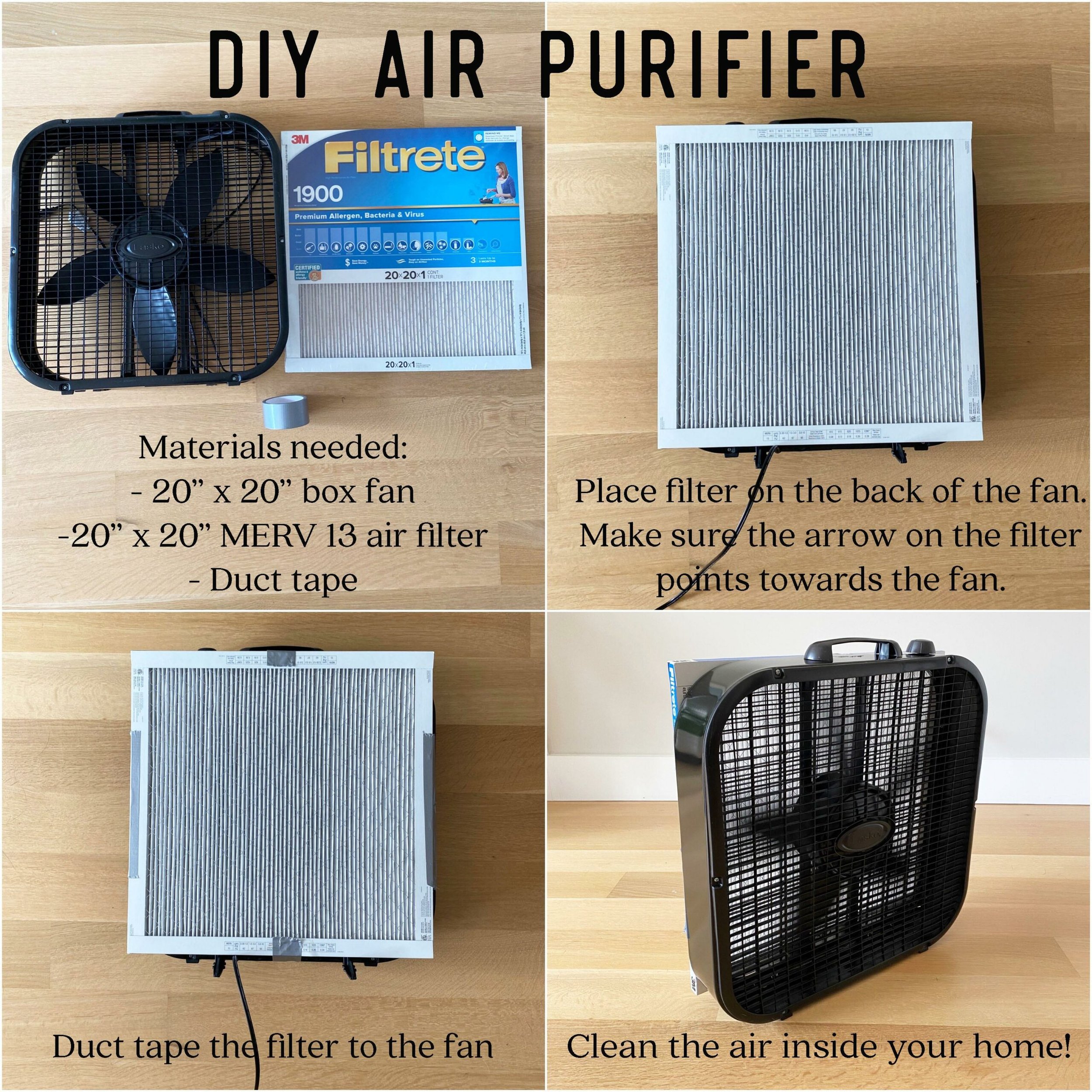
How to Make Your Own Air Purifier